Buying fabric may look like a simple task but in reality it requires careful evaluation and informed decision making. Even experienced designers tailors and sewing enthusiasts sometimes make mistakes that can lead to wasted money poor garment quality and production delays. Understanding common fabric buying mistakes helps you protect your budget improve the final output and ensure long term satisfaction with your projects.
Whether you are purchasing fabric for a personal sewing project or sourcing materials for a clothing brand avoiding these mistakes can save time reduce stress and deliver more professional results.
Choosing Fabric Based Only on Price
One of the most common mistakes people make is selecting fabric purely because it is cheap. While low prices can be tempting inexpensive fabrics often compromise on durability comfort and color quality. Cheap materials may fade quickly lose shape after washing or feel uncomfortable on the skin.
Instead of focusing only on price consider fabric composition weave finish and overall texture. A slightly higher investment in high quality fabric usually proves more economical in the long run. It reduces the chances of returns rework and unhappy customers while enhancing the overall value of your garments.
Ignoring Fabric Composition
Not checking fiber content is another common fabric buying mistake. The composition determines breathability stretch shrinkage and overall feel.
Always review the product description carefully cotton linen and blends each perform differently. Understanding how to choose high quality fabric starts with knowing what the material is made of and whether it suits your project.
Not Considering Fabric Weight
Fabric weight directly affects how clothing drapes and fits lightweight materials work well for summer wear while heavier fabrics provide structure for jackets or formal garments.
Failing to consider weight may result in garments that hang awkwardly or feel uncomfortable. Always check GSM (grams per square meter) or weight details before purchasing.
Skipping Sample Testing
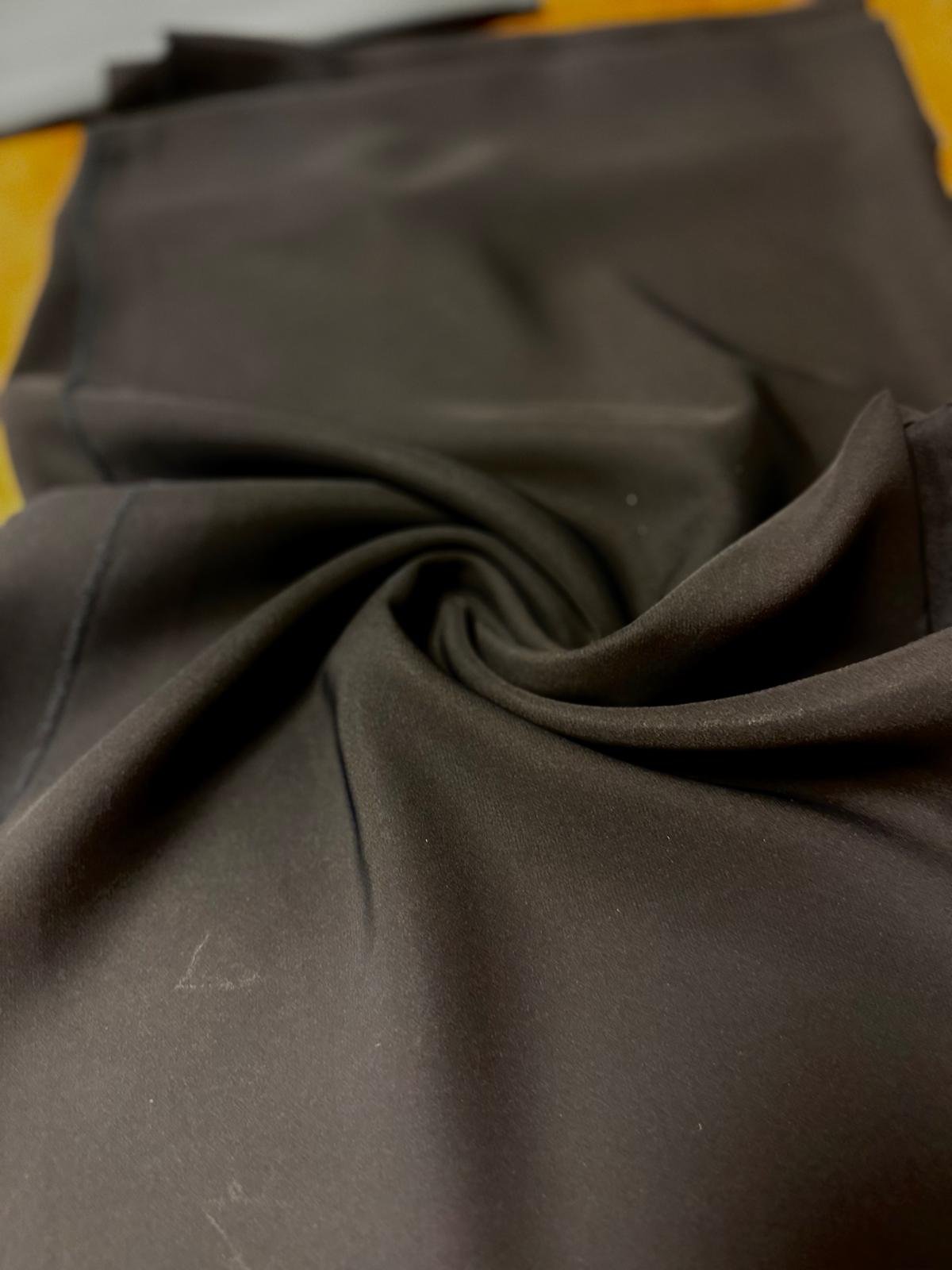
Many buyers skip ordering samples, especially when shopping online. However, images cannot fully represent texture, stretch, or true color.
When possible, request a sample to perform a fabric quality check. Test for softness durability shrinkage and stitching performance. Sampling reduces the risk of fabric purchasing errors especially for large production runs.
Overlooking Stretch and Recovery
Stretch fabrics are common in modern clothing. A frequent mistake is not checking how well a fabric returns to shape after being stretched.
Poor recovery can lead to sagging garments after a few wears. Gently stretch the material and observe whether it returns to its original form. Good recovery indicates better long-term performance.
Ignoring Care Instructions
Some fabrics require special washing or handling ignoring care requirements may result in shrinkage fading or texture damage.
Before buying, check whether the material is machine washable or needs delicate care. This ensures the final garment remains practical for everyday use.
Buying from Unverified Sources
Not all online fabric sellers maintain consistent quality standards choosing unreliable suppliers increases the risk of receiving materials that differ from their descriptions.
When you buy fabric online USA, prioritize stores that provide detailed information, clear images and transparent policies trusted retailers like Halal Textiles focus on carefully selected fabrics and dependable service, helping customers avoid unnecessary risks.
Final Thoughts
Avoiding common fabric buying mistakes is essential for achieving professional results in clothing and sewing projects. By checking composition weight durability stretch and supplier reliability you can confidently choose materials that meet your expectations.
Smart fabric shopping is not about finding the cheapest option it is about selecting quality materials that enhance comfort appearance and long term performance. With careful evaluation and trusted sourcing you can eliminate costly errors and ensure your garments reflect true craftsmanship.