How to Choose High Quality Fabric Every Time
Choosing fabric shouldn’t feel like a gamble. Whether you’re sewing a dress, quilting a gift, or making products for customers, the fabric you pick decides how your final piece will look, feel, and last.
The good news: “high quality fabric” isn’t mysterious. Once you know what to check—fiber, weave, weight, drape, finish, and color—you can choose confidently every time, even when you buy fabric online in the USA.
This guide gives you a simple, repeatable system (plus a checklist you can save).
What “High Quality Fabric” Actually Means
High quality doesn’t always mean expensive. It usually means the fabric is:
Consistent (even weave/knit, fewer flaws)
Reliable (behaves as expected while cutting and stitching)
Comfortable (the hand-feel matches the project)
Durable (holds shape and feel after washing/wearing)
True to description (weight, drape, and color match what you ordered)
If you want one rule to remember:
The best fabric is the one that matches your project on purpose—not by luck.
The Fabric Quality Checklist (Use This Every Time)
1) Start With Fiber Content (Your #1 Decision)
Fiber controls breathability, softness, wrinkles, shrinkage, and drape.
Quick guide:
Cotton fabric by the yard: versatile, breathable, great for everyday wear + quilting
Linen fabric by the yard: crisp to medium drape, textured, excellent for summer
Viscose/Rayon: flowy drape, smooth feel, great for dresses/abayas
Poly blends: can be durable and wrinkle-resistant, but quality varies a lot
If you’re shopping premium fabrics online, fiber should be clearly listed—no guessing.
2) Check the Weave or Knit (How It’s Built)
Fabric structure affects strength, sheerness, and stability.
Woven fabrics (cotton poplin, linen): stable, easier to cut/sew, great for structure
Knits (jersey): stretchy, comfortable, needs different needle/technique
Loose weaves: more drape but can snag/fray easily
Tight weaves: cleaner seams, better durability, often feel “higher quality”
For quilting fabric online, look for stable woven cottons with a tighter weave.
3) Fabric Weight (GSM) Tells the Truth
If the listing includes fabric weight GSM, that’s a big win.
Simple ranges (approx):
Lightweight (under ~150 GSM): airy tops, linings, soft drape (often more sheer)
Midweight (~150–250 GSM): most apparel, everyday dresses, shirts
Heavyweight (250+ GSM): pants, jackets, structured projects, home items
No GSM listed? Look for description clues: crisp, structured, drapey, airy, opaque, thick.
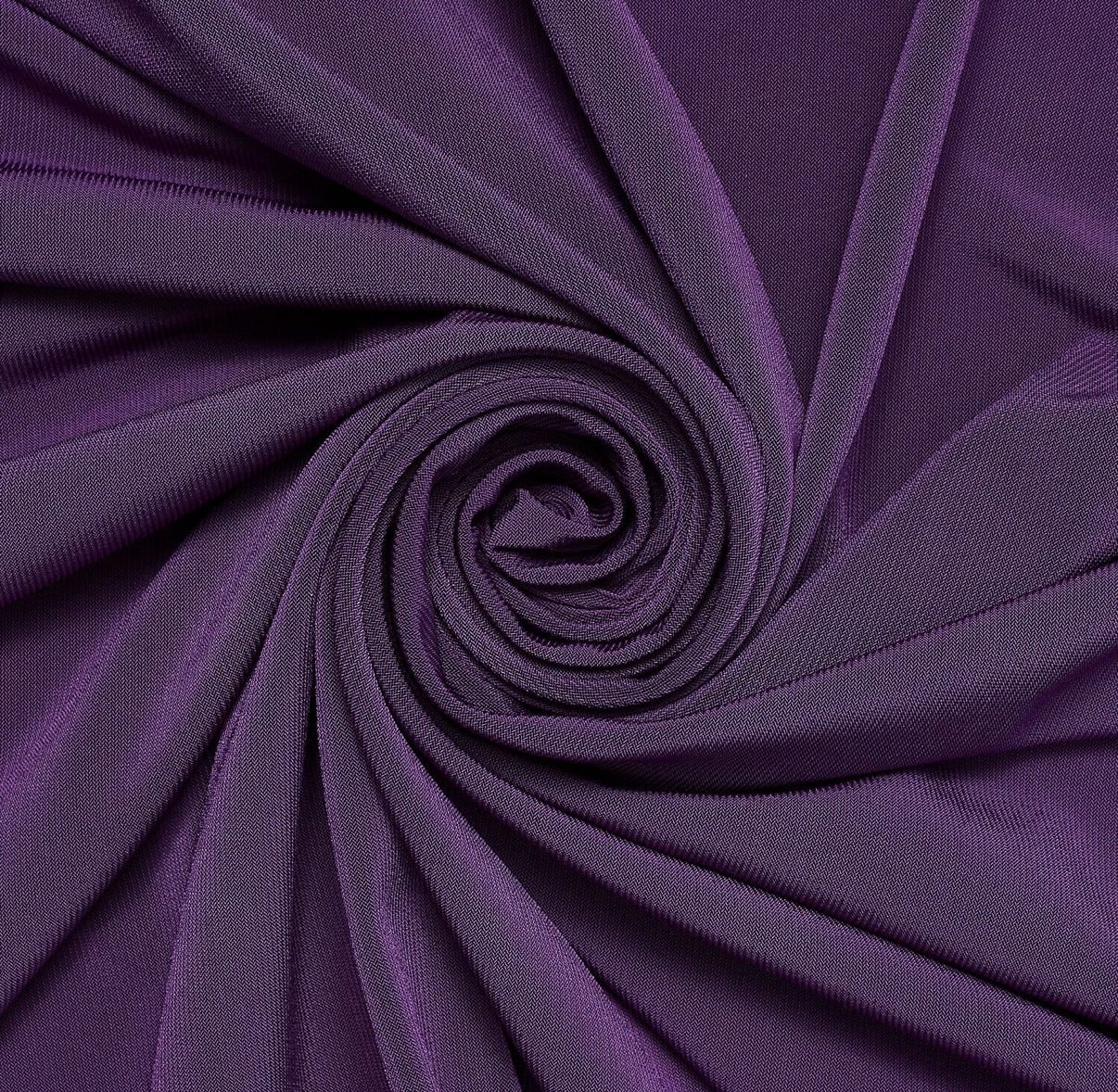
4) Understand Drape (So Your Outfit Doesn’t “Feel Wrong”)
Drape is how fabric hangs and moves. It’s the #1 reason people regret fabric choices.
Want structure? Choose crisp / stable fabrics (poplin, midweight cotton, some linens)
Want flow? Choose drapey fabrics (viscose, lighter blends, soft weaves)
If you’re buying apparel fabric by the yard, always choose drape based on the pattern.
5) Opacity + Sheerness (Hold It Up to the Light)
When fabric arrives, do a quick light test:
Hold it up to a window/light source.
If you can clearly see your hand through it, it’s more sheer than it looks in photos.
Sheer can be beautiful—just plan for lining.
6) Feel the Finish (Soft, Crisp, Smooth, Brushed)
Two “cotton” fabrics can feel totally different because of the finish.
Common finishes you’ll notice:
Brushed: softer, slightly fuzzy, cozy
Crisp: holds shape, clean look
Smooth: refined surface, often feels premium
High quality is when the finish matches the purpose (cozy for loungewear, crisp for shirts, smooth for formal looks).
7) Check Color Quality (Photos Can Mislead)
Color problems happen because screens and lighting vary.
When you buy fabric online USA, reduce surprises by:
Choosing listings with multiple photos (close-up + full view)
Reading descriptions like “warm ivory” vs “bright white”
Ordering a small cut first if color matching is critical
8) Look for Flaws (Fast 30-Second Inspection)
When your fabric arrives, check:
uneven printing
pulls/snags
thin patches
off-grain fabric (weave looks slanted)
inconsistent color areas
Good fabric usually looks consistent from edge to edge.
9) Do a “Sew Test” (Best Trick for Beginners)
Before cutting your full pattern:
Stitch a small scrap
Press the seam
Check if it puckers, stretches, frays, or behaves nicely
This one habit improves results more than any “expert” tip.